John Doe had heard the sermon, and it had cut him to the quick. The preacher had leaned over the pulpit in order to make his point, and projected his voice like an opera singer swelling to the finale.
“You must get to the place where your first instinct is faith and not fear when troubles come!”
John knew very well that he was not at that place. Rumors were snowballing at his job, all the signs were there that the plant was going to close…and his first response was not faith, it was icy terror. His first thoughts were of his family, and how he would provide for them. His first instinct was to scramble around looking for more information, so he could better take on the task of fixing his problems. The preacher’s words echoed through his thoughts and began pushing him into a corner. “How can I expect God to take care of me or help me when I still don’t do this right?” he thought. “When am I going to get to the place when I have this together, when I don’t mess up so quickly.”
The sense that he’d already failed the test pressed down on him, and he thought about the preacher who had uttered that challenging sermon. He thought about how faithful he was, how obviously capable he was of trusting God and resisting temptation. From there, his thoughts drifted over the other people in his church who clearly had their “spiritual lives” together, who clearly had a walk with God that far exceeded his own. They could trust God in the worst of times but he fell into fear because of a rumor. The thoughts began to bear down on him…he realized he had failed his test, and the only relief available was to push all of this from his mind for now.
“Later. I messed up…I can’t even pray about this right now. I’ll get my act together later. I’ll do this better next time.”
Thus John Doe was discouraged into paralysis by a MYTH.
This Sunday we’ll be looking at the myth of the good Christian. This will get a little more personal…so be warned.
Is Christianity supposed to be a sin-management plan? Is the life of following Christ about adhering as closely as possible to an elusive standard of good Christian living? Is there a place we get to where we have this thing wired, where we have achieved the title of being a good Christian? If you are answering “no” to these questions, then conversely, what role does holiness and the perfection Jesus called us to have in our lives? How do we reconcile our struggles with faith and temptation with the Bible’s call to right living?
To prepare…read Paul’s thoughts in Romans 7:15-8:2…and I’ve linked it to the Message because its such a clarifying take on it…but check it in other translations as well. Ponder it…meditate on what Paul is saying…Paul, the prince of apostles, the great spiritual force of the New Testament writings…consider his confession and resolution.
Don’t be afraid of straw men. Don’t bet stuck chasing myths and missing the path.
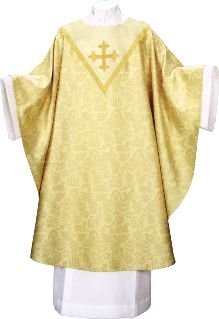 I have received a lot of invitations over the years, invitations that you have NOT received. Do you know why? They were invitations to honor the clergy among us, of which I am perceived to be. You didn’t get the invite to be honored (or fed or given a plaque or ride on a plane) because YOU are perceived to be laity. Of course…if the one doing the inviting were to interrogate me first…do a little research beyond the fact that I’m listed as a pastor in a church…they would probably rescind the offer. As soon as it was discovered that I didn’t attend a seminary or a Bible college, I would be promptly demoted to the position of “lay minister”, because, of course, I didn’t receive official training for my status. That’s the way it works, you see. I have a friend who was informed by someone who was inquiring about Eastgate that we aren’t an actual church, because the pastor hasn’t been officially ordained and lacks the proper training.
 “If you don’t pay God His tithe, the blessings will be cut off in your life!” Ever hear anything like that? Is that really accurate? Why do I picture a
 WONDERWHAT