 Jim Gaffigan has a stand-up routine from years ago where he declares: “I’m a vegetarian…it’s just that I eat beef and pork and chicken…but not fish because that’s disgusting”. It’s humorous because it cuts across the very definition of vegetarianism. The character he presents clearly doesn’t understand what it means to be a vegetarian.
It strikes me sometimes that a lot of Christians are like that when it comes to the Gospel – the Good News. A lot of times if I ask the question: “What is the Gospel?”, I get a variation on the idea that Jesus died to save us from our sins so that we can go to heaven and not hell when we die. It’s not that I disagree with any of that – but I’m not sure that really captures the heart of what the Good News really is because the focus is placed on what happens after this life.
This Sunday we’ll be reading Mark 1:14-20 as we continue going through that account of Jesus.
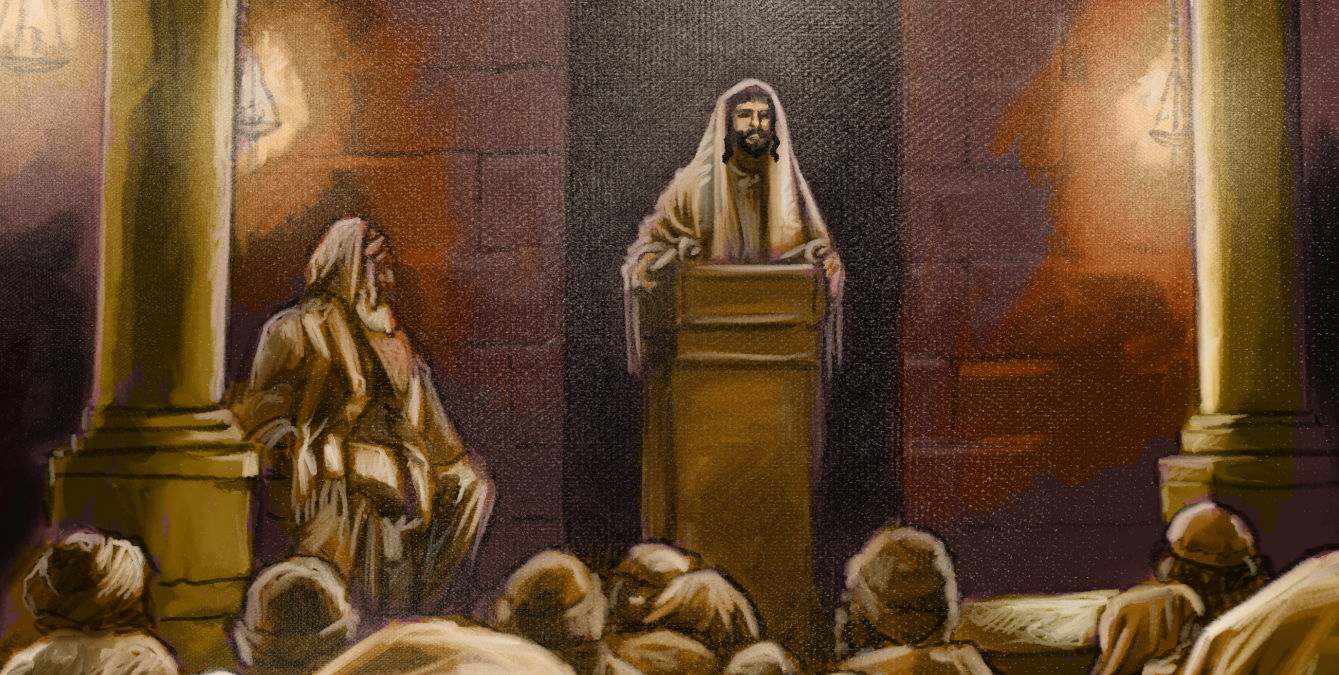
In v14, we abruptly find out that John the Baptist has been arrested and Jesus has started publicly announcing God’s Good News. We’ve noted before that the word euangelion, εὐαγγέλια, was not unique to Christianity. It was a word used to announce good news from Caesar, or announce his birthday, or declare a victory in battle.
What does Jesus say that sets the Good News that He preaches apart from the good news of Caesar? Who is the center and focus of this Good News?
In v 15, Jesus explains what the Good News is and what our response should be. Notice the words he’s saying: The time has COME, The Kingdom of God is NEAR, REPENT and BELIEVE. Follow the links on those words and consider what they mean.
Using the definition of the Greek words, write what Jesus is saying in your own words.
Read Daniel 2, especially v 44 – What do you think the people of Galilee were hearing when they heard the Good News proclaimed by Jesus?
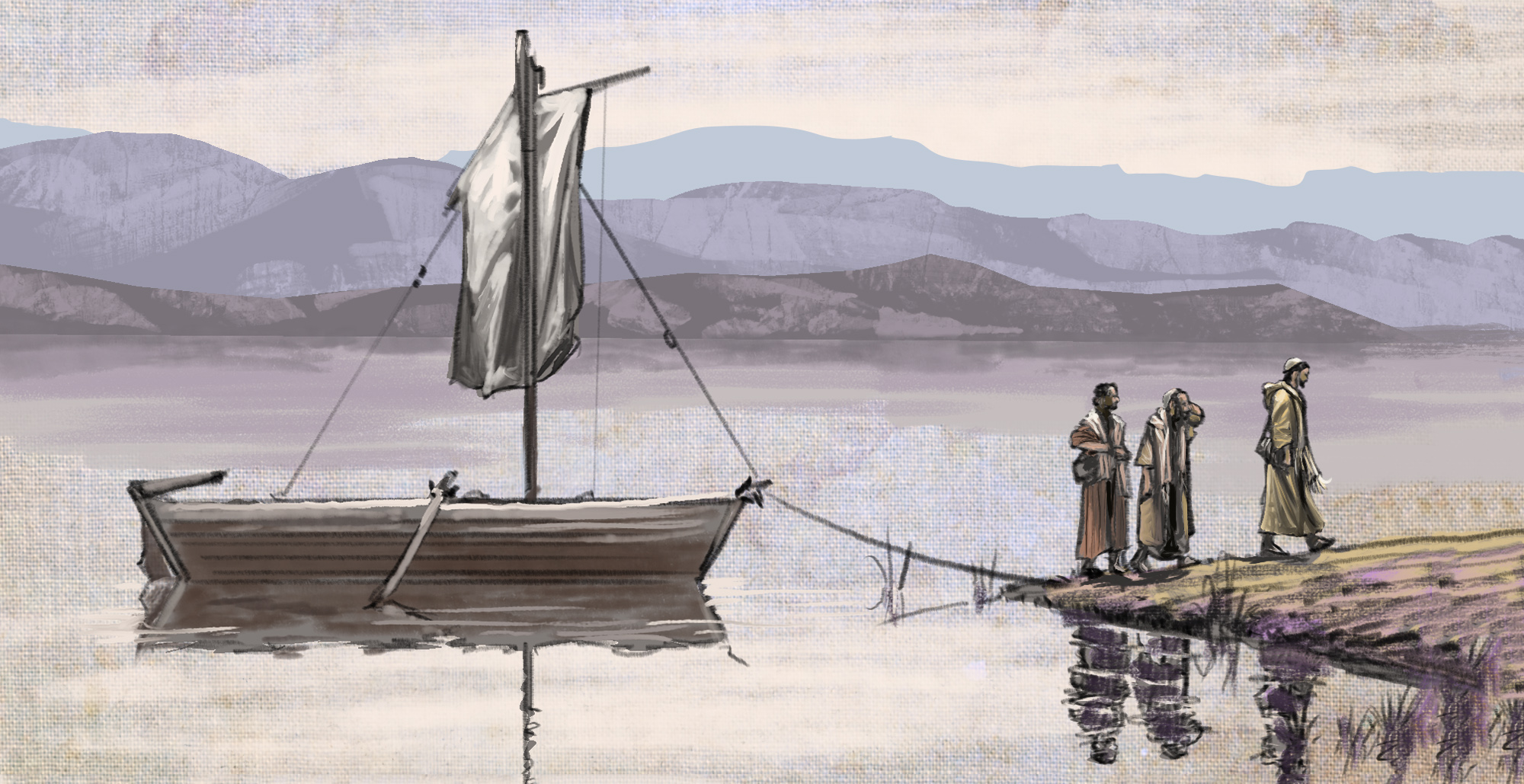
When Jesus calls his first disciples in v16-20, they respond immediately.
What does their response tell us about what hearing the Good News demands of us?
What would it look like in our own lives to follow this example of Peter, Andrew, James and John? How would you describe the priorities their response symbolizes?
There have been lingering questions about why these guys would have responded so quickly and decisively. I had a whole section in my teaching that I had to remove because it would have made it run too long…but I copied it and I’ll paste it here, in case you’re interested. It helps round out the oppressive economic picture of that time and place, which helps us see why these guys may have responded like they did. I’d be interested in your thoughts on this. Anyway, here it is:
“Now, people have gotten cynical about this section, wondering about the abruptness of it – ‘what would make these guys respond so quickly to a rabbi like this?’ But, there ARE historical factors here… we need to understand the situation these guys were in.
We tend to think of these fishermen from the standpoint of a free-market, capitalist society, like WE live in. We imagine a nice little family business where they catch fish for themselves and sell the surplus to the local market. We view them as middle-class, blue collar Joes.
But we’re wrong. There was no free-market capitalism in the world run by the Roman Empire. Rome ruled the known world – and sure, they brought roads and aqueducts and peace to the region…but they also brought the demands of the Roman elite from Caesar at the top to his agents and governors like Herod Antipas, the ruler over the Galilee region, and all the layers of bureaucracy in between. The sea of Galilee was no longer localized as a source dietary staples for the people who lived there – the sea of Galilee belonged to Caesar – nobody was going to fish there unless he approved it. Fishing leases were required, and taxes and tolls for ports were exorbitant.
Everyone was taking a cut of both the fish AND any potential profit to be made from them.
So local fishermen found themselves in an economic free-fall – they were at the bottom of this elaborate financial hierarchy. They had a trade that had been handed down through generations but now were tantamount to slave-labor …they had no hope of escape from this economic oppression.
Along comes a Rabbi who declares the time has come for God’s kingdom to break in on things. And they’re thinking…well, what would they be thinking, what might they have imagined?
‘This is IT, finally we’ll be free from our oppression and there will be justice.’
They were right, but not the way the expected.”

 WONDERWHAT
