 There have been a lot of stories from the church world in the last year of leaders who have had to step down or were removed from their place of leadership because of some moral failing. One pastor was not faithful in his marriage, another on the other side of the country was abusive and therefore not faithful to his calling. Everyone’s hope for both these men is that they will repent and honestly seek the help they need. At least, that’s my hope and prayer for them.
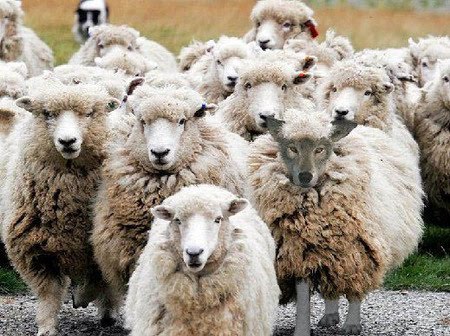
But there is another type of unfaithfulness in ministry, one not so easily identified or dealt with. There is the possibility of a leader being unfaithful to the gospel, representing a different Jesus than the one revealed there. This Sunday we’ll be reading 1 John 4:1-6, and John will send a strong caution to the church to be careful about the leaders we follow.
What do you believe John means by “test the spirits”? Why do you believe he uses that term instead saying leaders or pastors? It’s not that I’m looking for a right answer, I’m just curious about what you think of that.
What is John’s criteria for a message that is consistent with the Spirit of God? What, or who does it center on? Why do you think John focuses on that issue? How important is that issue to your determination of orthodoxy?
On the other side of this, John doesn’t want our carefulness to result in paranoia. He encourages us in v4 that the One inhabiting our lives is greater than the one who directs the flow of this world’s system. What do you believe he means by greater…greater in what way?
Take some time to read the story of Elisha and the army surrounding him. What do we learn from a story like that, and how can we apply it to what John writes in v4?
Hope to see you on Sunday!
 When people really get into football season, they can sometimes go to outrageous lengths to display their hope and faith in a team. The things they wear, the chants they chant, almost everything they project is a display of their loyalty. This Sunday we’ll be reading



 his Sunday we’re going to be reading
 WONDERWHAT