
I’m back from vacation! I had a great trip to the Great Northwest – but I’m also glad to be back.
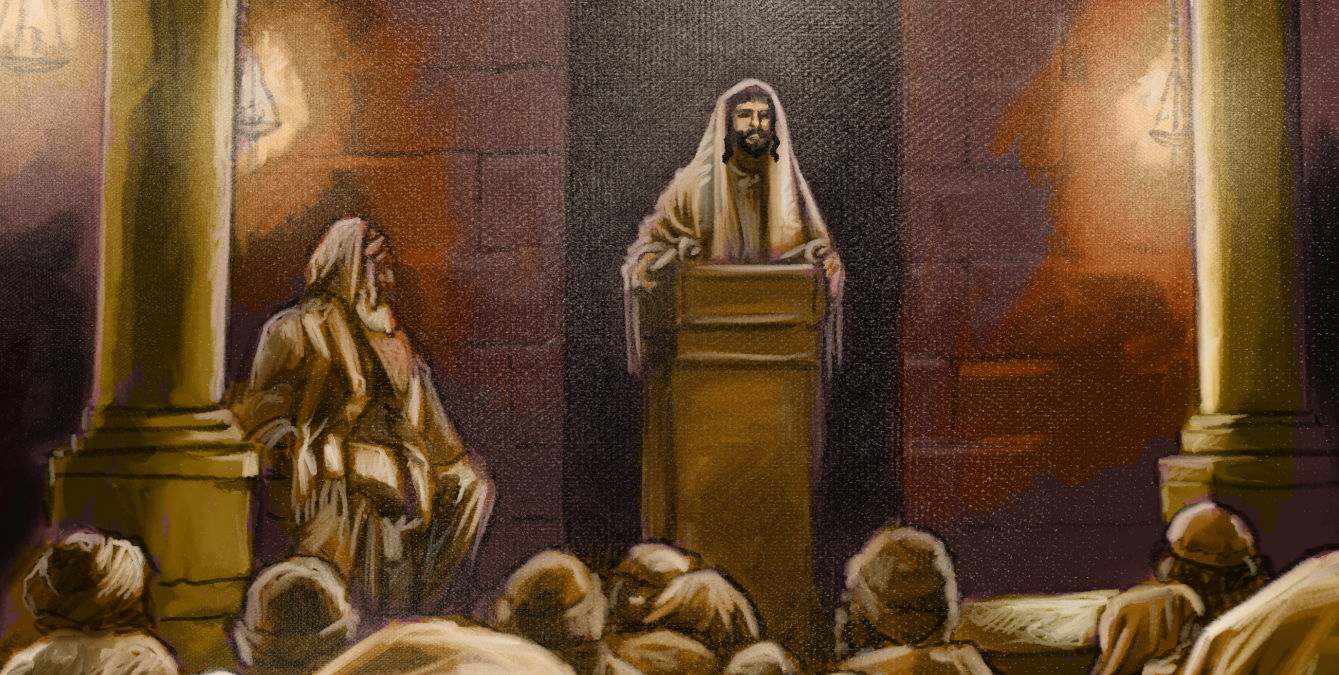
This Sunday we’ll be reading Mark 2:18-22. This text is in the midst of a grouping of religious controversies that confront Jesus in his early ministry. Jesus, from the get go, was upending religious expectations left and right.
Israel’s expectation for who the messiah would be judging and what the messiah would be doing were pretty straightforward. Messiah will come to dispense judgement to the Roman Empire, to condemn those who didn’t adhere to the law of Moses and command righteousness without reserve.
And then there was Jesus. What were they to make of this rabbi? He hangs out with the wrong crowd, he seems to only condemn religious people while giving the riff-raff a new start. He just didn’t meet people’s expectations.
That was true of our text on Sunday. The disciples of John the Baptist fasted regularly while awaiting the arrival of God’s kingdom. The Pharisees fasted regularly to show how sincerely they longed for the end of exile…and it didn’t hurt that it made them look really religiously pious.
When Jesus is asked why he and his disciples don’t fast (a question posed right after Jesus was at a dinner party with disreputable people), the people are merely expressing that he is not meeting their spiritual standards. Fasting was only required in the Old Testament for the Day of Atonement. This wan’t about Mosaic commands, this was about religious expectations.
- Why do you think Jesus answered their question about fasting with the imagery of a wedding? How does v 20 help us understand that Jesus isn’t opposed to fasting? What religious standards have you felt pressured by? How have you found yourself pressuring others to meet a standard you have set?
The two further explanations by way of parable are the new cloth and new wine-skin pictures. New cloth, in shrinking, would tear away from old, pre-shrunken fabric. An old leather, brittle wine-skin would tear open during the expansion of fermentation.
Jesus’ point is straightforward – he didn’t come to reform something old but to establish something new.
- What does this mean to our relationship with the Old Testament Law? How do we understand the purpose and value of the Old Testament?
Anyway – hope to see you on Sunday!



 One of my favorite cartoons on TV is Futurama. It’s the brainchild of Matt Groening, the creator of the Simpsons. The premise of the show is that a guy wakes up in the distant future and has to integrate with a world that is mostly a parody of almost all the sci-fi tropes we’ve come to know over the years. One of my favorite characters is Professor Farnsworth, the sort of leader of the band of misfit characters. There is an ongoing gag where he bursts into the room to announce a mission by saying “Good news everyone!”, and when he goes on to explain it, it is actually very BAD news. For example: “Good news, everyone! Today you’ll be delivering a crate of subpoenas to Sicily 8, the Mob Planet.”
 I’m a grandparent, and pretty dang proud of that fact. We have a dedicated play-room in our house again, just for our grandchildren. One thing I’ve noticed is that when they charge into that room to begin playing, it takes mere seconds to completely destroy the order of that room (not that we mind – there’s nothing more sad than a well-ordered and unused playroom – but that’s not the point I’m making here). Like the classic cartoon Tasmanian Devil, those kids can create total upheaval in a matter of moments.
 WONDERWHAT
