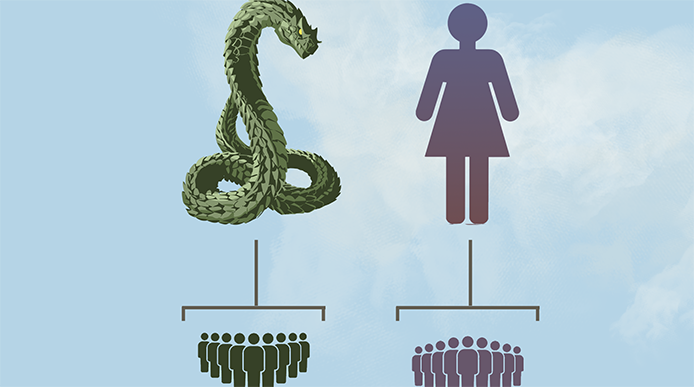
There is no way around it, the Bible presents us with a dualistic worldview. We are continually presented with two paths, two choices, two loves. Middle ground is hard to come by in Scripture. As the Didache says in it’s opening: “There are only two paths; one leads to life and the other to death and there is a world of difference between the two.”
This Sunday we’ll be starting to wrap up our study in Genesis, reading the fallout from Cain’s murder of Abel and the consequences that befell him because of it. We’ll be reading chapter 4:17-26. As we’ve noted before, following Cain’s lineage is sort of like viewing the trajectory of the offspring of the snake.
Cain was banished to the wilderness with God’s provision of a sign which would protect him. As you read the passage, does Cain end up in the wilderness? What might be significant about him building a city?
As we follow his family line, we get to the 7th person from Adam – Lamech. What is first noted about Lamech in the text? How does his taking of two wives reflect on Gen 2:24? How would you describe what is happening in Cain’s family line?
Lamech writes the first song recorded in the Bible – a lovely little tune sung to his wives about retaliatory murder (what a romantic!). Lamech, the 7th human from Adam, sings a song about sevens. In Gen 4:15, God promised to protect Cain by giving a sign that warned of a 7-fold retribution for harming Cain. What does Lamech do with the words of that promise? How does it interact with Jesus’ words to Peter in Matt 18 about forgiveness?
Last week we read about the line of Seth, the son God provided to Eve after the loss of Able. We’ll revisit that again as we consider the other road, the offspring of the woman. How does v26 compare with the lineage of Cain and their actions and attitudes? Who would you rather be?
I’ve really been enjoying getting into Genesis – hope you can join us this Sunday as we examine the two roads for life.
 WONDERWHAT