The Mission Continues

I still remember one of the most often repeated phrases I heard after Hurricane Michael was: “I just can’t wait for things to get back to normal”. It was an understandable sentiment. Whenever we go through times and circumstances that push us out of our regular patterns in life, as when life is hard and confusing, we just want to get back to something familiar so we can try and reorient ourselves. It’s a typical response.

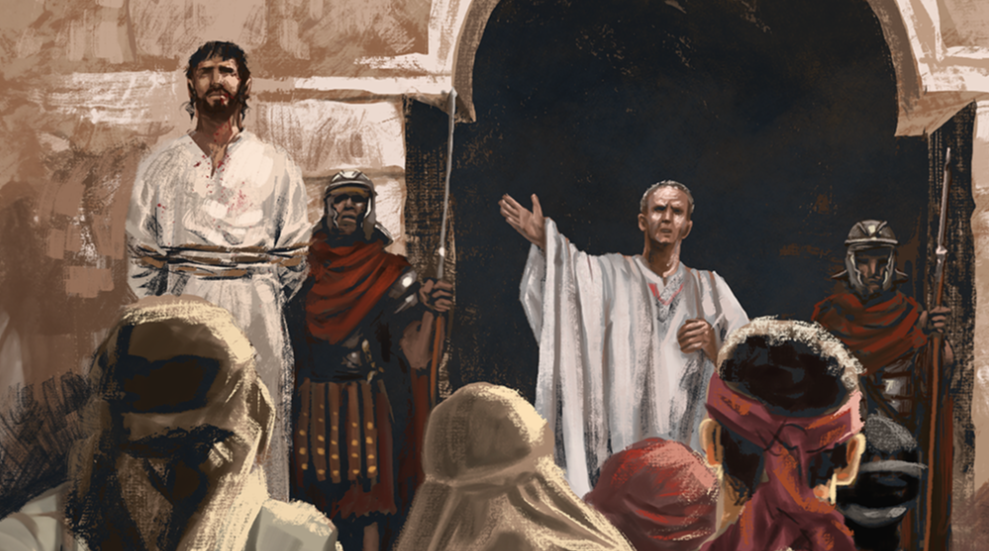
We’re going to be reading about Jesus’ disciples doing just that as come to the final chapter in our study of the Gospel of John this Sunday. We’ll be reading John 21:1-25. Peter and six other disciples don’t quite know what to do with themselves after all of the events that unfolded in Jesus’ execution and then mind-blowing resurrection. They probably had hoped that the skies would rain fire and Rome collapse in a blaze…but none of that stuff happened. Instead, life seemed to just go on and Jesus only seemed to pop in on them sporadically, and I’m sure it all felt really surreal. It makes sense to me that they wanted to get back to what they knew how to do, fishing.

However, now that Jesus is on the loose, things done under their own initiative seem to result in frustration (v3). Have you ever experienced that? Have you ever not known what God is up to and so in exasperation just decided to go back to old habits and patterns you had before meeting Christ? What were the results, and what can we learn from that?

Jesus’ interaction with Peter is, to me, one of the most moving scenes in all of the Gospels. What significance do you see in Jesus inviting Peter to confess his love for Jesus three times? How could this interaction provide a sense of closure to Peter? What can that tell us about our own failures and Jesus’ intent?

Jesus doesn’t just let Peter say words, he commissions him with a way of demonstrating his love for Christ. How does Jesus indicate a love for him is revealed? Is it something we can do in isolation, and if not, what does that tell us about our Christian priorities?

Jesus finishes his instruction to Peter by commanding him to follow. What does it mean to you to follow Jesus? What does it look like for a 21st Century American Christian?

I’ve really loved this gospel. We’ll have one more study after this Sunday where we wrap up all the themes we discovered. I hope it’s not the last time you visit this gospel…we barely scratched the surface of it. I truly hope you go there often, and go looking for Jesus in those words.

I hope you can join us this Sunday at 10 AM!
A Very Present Jesus

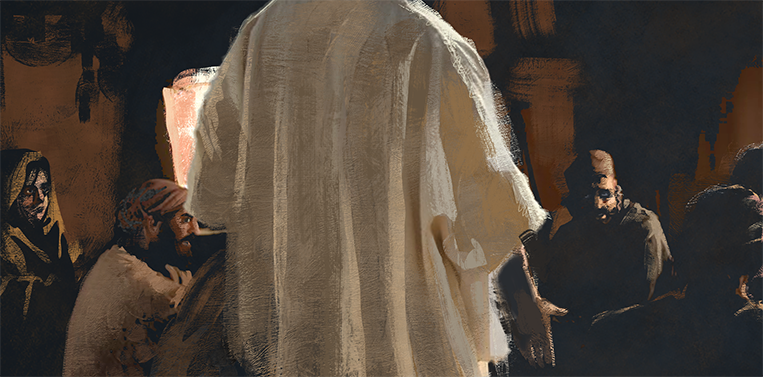
This Sunday we’re going to be reading John 20:19-31, which finishes up the chapter. This chapter brings us to the end of the Book of Glory, with only the epilogue (ch 21) remaining. In this chapter we’ll be reading about Jesus’ appearance to the rest of the disciples and to Thomas – and we’ll be considering the ramifications of the risen Christ in the midst of his followers.

Jesus shows up in the middle of a locked room. He is obviously present in a new kind of physicality, one that is not hindered by normal obstacles. Think about that locked door and the symbolism of it. What kind of doors do we lock in life…and how effective are they in keeping Jesus out?

The first thing out of Jesus’ mouth is the common greeting: Shalom. It means peace, wholeness, stability of life. John is using this event to convey the meaning of Christ’s presence, which is with us still – and how his presence brings with it wholeness and fullness of life. In what ways have you found stability, wholeness and well being in the presence of Christ?

Jesus commissions his followers to do the same thing he’d been doing. That would be unthinkable if he didn’t follow it up by giving the Holy Spirit to empower us for such a task. How can we start developing habits of following the Holy Spirit’s lead to do good and help the oppressed in this world?

V23 is a strange command. Whole ecclesiological frameworks have developed around the way people interpret what Jesus says here. There’s a conservative interpretation that I’m persuaded by (I’ll share it Sunday) – what do YOU think he’s saying?

The account of Thomas is awesome to me. I love that dude. Do you think Tommy was doubting Jesus, or the testimony of the other disciples? How did Jesus interact with Tom: rebuke, anger, irritation, compassion, care…? What was the first thing he said to him? Do you think that Jesus is angered by our questions or honest skepticism?  Do you believe that doubt and sincere searching is debilitating to faith, or can it actually encourage and enhance faith? How might Jesus’ interaction with Thomas inform your view?

I hope you can join us this Sunday, I think we’ll have a lot of good stuff to chew on!

The New Normal

This Sunday we are going to continue our study in the book of John chapter 19 verses 31-42. These verses are exciting because the Old Testament has been laying bricks on a road that led to this very moment. John has been adding to that by continuing to pave the way with every story and detail he has included in the gospel. 

What we find in these verses is a continuation of John wasting no words or adding unnecessary information. There are so many connections to the Old Testament that are linked in this section of verses alone. There are several notes that mention different prophecies being fulfilled, but even beyond that we see a wide variety of stories coming to fulfillment.

In remembering that every word is included for a reason, what do we notice with the time of year that the crucifixion takes place? Do we see significance in that? What about the landscape of the area where the tomb is located? What Old Testament stories come to mind in reading the scenery that is mentioned? What about the fact that both blood and water flow out of Jesus when the spear is thrust into his side? What stories does Jesus mention about his blood? What times does Jesus mention offering water to people?

These should be the most depressing verses found in the Bible, but they’re not. Hope, fulfillment, a plan to make things right, and the inability to fail are written all over this story. We invite you to join us this Sunday at 10:00AM as we study these verses and find the hope that overflows from these words and into our hearts. 

What Kind of King?

At Christmastime we celebrate the birth of Jesus – and that is something that forces a question in most of our minds: why was Jesus born? Most Evangelicals would likely respond that He was born so he could die for our sins and bring us salvation. Jesus, however, actually gives us the answer as to why he was born in the text we’ll be reading this Sunday. We’ll be reading the account of Jesus before Pilate in our study of the Gospel of John, ch 18:28-40.

Pilate was the Roman governor over Judea. History recalls him as a cruel, petty, common-born politician, and I think the gospel accounts of him back that notion up.

When Pilate interrogates Jesus, he is only interested in one thing: is Jesus claiming to be a rival king to Caesar. If so, it will warrant his death. Jesus, as he so often does, turns the tables on this interrogation, so that Pilate is forced to make decisions and provide answers, and he clearly has no interest in doing that.

In the back and forth, Jesus provides some very important revelations as to the nature of God’s Kingdom, the sort of King Jesus is, the mission that he was on and in the last few verses of the section, the way in which the power of God’s Kingdom is revealed.

Jesus declares to Pilate that His Kingdom isn’t from, or like the kingdoms of this world’s system. Then he describes the difference in v36. How do you understand what he’s saying, and how might that be applied in our present day world?

Why do you suppose Jesus never says “yes, I am a King”? How would Pilate define a king? Would Jesus fit that definition?

When Jesus says that the reason he was born was to testify to the truth, what truth do you think he’s talking about?

Pilate offers to release a prisoner in honor of the Passover, so he offers a choice between Jesus, whom he describes as their king, and Barabbas, a lestes, brigand or revolutionary (as the NLT translates it). He wouldn’t have been a Roman prisoner if he hadn’t been guilty of some sort of insurrection activity. Here he is, the one guilty of the very crime Jesus is accused, and innocent, of. Jesus takes the place of the guilty, and the guilty one goes free. It becomes a microcosmic picture of the power of God’s Kingdom. How would you describe that power, and how might it be more powerful than the war-engines of Rome?

This is going to be an important study – I hope you can join us this Sunday!