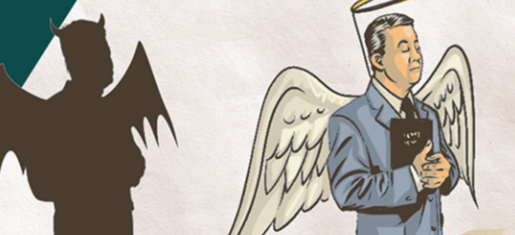
“What does God want and how does he want us to live?” That’s a pretty common question posed in the theater of most religions, and our study of Micah brings us to God’s answer to that question with stark clarity. And, spoiler, it isn’t outward religious behavior.
We’ll be reading Micah chapter 6 this Sunday. The scene begins like a cosmic courtroom where God presents his case against his people, reminding them of how often he had been faithful to them. Remembering the blessings we’ve received from God seems to be an important way in which we remain close to God’s purposes. How easy is it for you to forget the ways in which God has been faithful to you? How might we better keep those blessings in view during the trying times of life?
The response from God’s people to his charges is basically to ask “Fine, what do you want from us anyway?”, followed by a list of various religious practices and sacrifices they could attend to.
God’s answer is straightforward. As you read his answer, how do you interpret “do what’s right”? The word that’s used carries a strong social aspect – doing what’s right by others. What are some obstacles we face in doing what’s right by others. The second part of God’s expectations is to love mercy – which means an unqualified kindness shown to our fellow person. How do these two, doing what’s right and kindness, go together? It’s been said that injustice and inequality grow where kindness shrivels. What are some practical ways in which we can start intentionally practicing these two qualities of doing right and being kind?
It’s also very important to recognize that religious performance was summarily brushed aside by God. When it comes to the values we pursue in life, does it seem like God looks at our religion or how we treat others to evaluate our faith?
This study may make us somewhat uncomfortable as the Scriptures probe our deeper motives; however, I promise it will resolve with great hope! I’m looking forward to digging into this together!
 Whoops! Got invited to go fishing and forgot to update Wonderwhat. Sorry about that. This Sunday we will be doing our final study in the book of Jonah. What a fun ride this has been! We’ll be reading all of
  WONDERWHAT