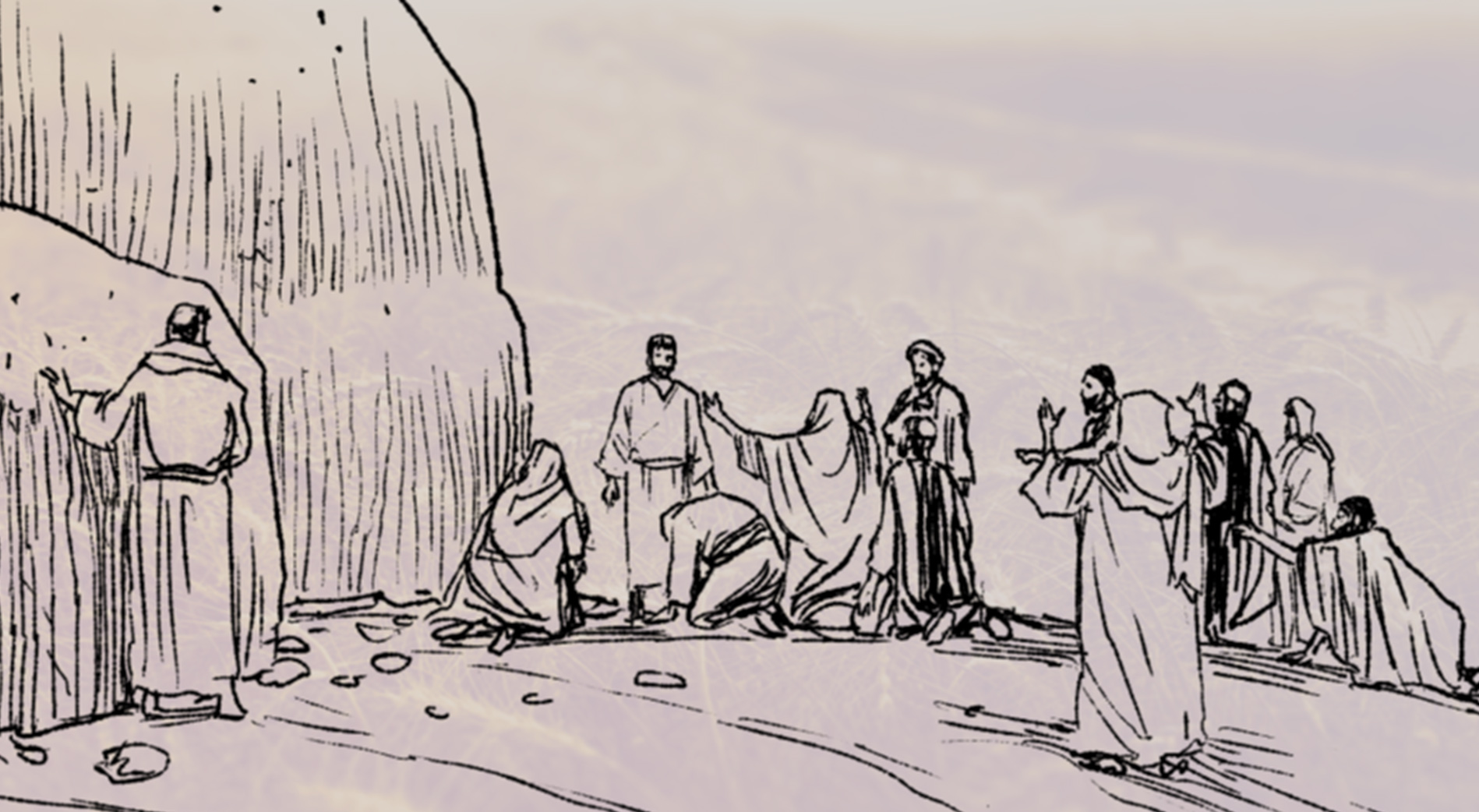
 Well – we did it. After a year and some change, we have come to the final study in the Gospel of Matthew. We will be finishing up chapter 28, reading verses 16-20. This is Matthew’s abbreviated account of Jesus meeting up with his disciples after his resurrection. It’s a brief passage, but there is a lot of stuff to consider in these final words.
For one thing, v16-17 are fascinating and delightful to me. As his followers gather around their previously deceased Rabbi, they respond in a way that is telling about the nature of Christ. They worship him. How would you respond to an event like that? How would it change your perception of the person you followed as a leader? Jesus allows them to worship him. What does that tell us?
You know what else I like? V17…that some doubted. It’s a very brief and unqualified statement which Matt just slips into the narrative. What did they doubt? That it was Jesus? Or did they doubt that he had really died? Or were they just unsure of what to make of this; unsure that worship was the right response? What doubts would you be wrestling with if you stood in their sandals? Consider this: does Jesus rebuke them? Does Jesus separate out the doubtful before he gives his instructions? He appears to give his command to worshipers and doubters alike. What can that tell us about the dynamic of faith and doubt in our own Christian life?
Some Greek scholars say the sentence has been translated poorly, that is should read “they worshiped AND doubted” – meaning the response was a mixture of devotion and perplexity.
I find that delightful. It resonates as real to me.
Jesus gives several imperatives in his final instruction. Go to all nations, make disciples, baptize, teach, obey and trust. This is what will be going on until, as he puts it, the end of the age. Which of those imperatives are easy for you to jump in on and participate in? Which ones are more challenging for you? How has our study of Jesus’ ministry help to shape our understanding of what this will look like?
I hope you’ve gotten as much out of Matthew’s gospel as I have. I hope we all gain a clearer focus of God’s kingdom and heaven meeting earth to make all things new.
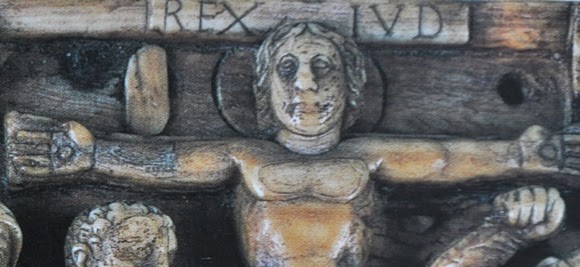

 I think one of the most common questions that gets posed to me is: “What is God DOING to me?” – or variations on that. “Why God? Why is this happening?” seems to be a regular refrain in the song of the redeemed. The reality is, life is painful and difficult and being a follower of Jesus doesn’t insulate us from experiencing that. That’s one of the reasons I love the gospel so much, because it never presents a triumphalist view of the world where the good guys always win. No, it clearly presents us with suffering, in all of its ugliness; but also reveals that pain as the very stuff that God works through to bring about his ultimate good.
 How many of us have had our lives go exactly as we planned them to go? I would venture to guess very few. I know that my dreams from just a young child were to be a cartoonist or comic book artist. God, of course, had other plans. It’s intriguing to me how often we struggle with the turns that life takes, wondering why God doesn’t change things. We can look at this broken world of wars and crimes and disease and wonder if God really has a plan at all. Then I look at the cross – and I’m reminded that God’s plans don’t always look the way I would assume they should. I remember how much beauty can actually emerge from the depth of suffering. How much hope can be found in the presence of sacrificial love.
 Whelp – my latest Grandson is in town and he brought his parents, which got me delayed in posting about our teaching this Sunday.
 Do you like weddings? What is the craziest wedding you’ve ever attended or seen? It seems like every culture has a different approach to weddings and the rituals associated with them. This Sunday, as we continue our study in Matthew, we’ll be reading about the unusual wedding rituals of ancient Palestine as we study