
We’re going to continue our series concerning Church Life in Real Life, and read 1 Timothy 1:12-20 this Sunday. (You should read it in the Message too )
In the opening of chapter 1, Paul launched his war on error, pointing out that some of the leaders there in Ephesus had lost their way and were corrupting the message of the gospel. The things that he highlighted as being out of sorts gave us clues about what was happening with these leaders. They were reading into genealogies to create some sense of elevation for themselves…a claim to a higher calling and closer position to God.
Since they were making themselves out to be special…Paul bares his own past, and shows what kind of person he had been, that made him suitable for being a minister of the gospel. What does he say about his own background in light of his present calling, in v12-17?
When you read his words…do you see yourself there at all? In light of leaders trying to elevate themselves, what do you think Paul is trying to get across here? V15 gives one of the most brilliantly succinct summaries of the gospel and it’s message to the world. A person could spend a lifetime contemplating that verse, and all of it’s implications. What are your thoughts concerning v15…how do you read it?
Timothy, the one the letter is written to, was a young man Paul had been mentoring. He’s very likely only in his early 20’s at the writing of this letter. What is it that Paul points to as a validation of his ministry and calling in v18? How comfortable would you be, trusting in someone’s qualifications to lead people who was very young, had minimal training, and who’s primary evidence of his calling was a prophecy someone else had spoken over him? This tells us something about how GOD goes about making someone qualified for the work of His kingdom…and it’s a far cry from the expectations we normally like to place on people.
Paul finishes off the chapter by calling out two guys by name, Hymenaeus and Alexander. We don’t know anything about them, really. Hymenaeus is mentioned again in 2 Timothy 2:17, and the “cancerous” teaching they endorse has to do with the claiming that the resurrection had already happened. Obviously, that’s referring to the resurrection of the saints at the end of the age. The implications of that message could take believers down many different rabbit holes…to the point where one might say “If the resurrection has already happened, and Jesus isn’t coming back, why would I follow His ways anymore?”. It’s logical. Paul “hands them over to Satan”…that is, he’s letting them go their own way unhindered, he’s not going to try force them into truth…if they want to ally themselves with the enemy of God’s plan, let them go for it. But he has a reason for letting them go…a goal he’s hoping to see accomplished. What is that goal, in v20? What does that tell us about our hopes, even for those who seem to have lost their faith?
The Church isn’t a haven for really good people to get together in and pat themselves on the back for how much better they are than everybody else. The church is for LOSERS…who’ve been rescued by the unrelenting love of God, through Jesus the Hero King. That sure does make me feel at home there…..how about you?
 This Sunday we’ll be starting a new series called “Church Life in Real Life”, and we’ll be exploring the books of 1 & 2 Timothy. There’s a pretty good commentary which covers at least 1 Tim online at Bible Gateway…you can find it and read it
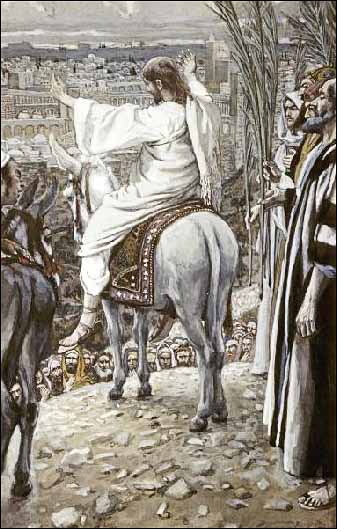 This Sunday is Palm Sunday…and we’ll be reading
  WONDERWHAT